
Using the Menu to Inspire Change
Quick Takeaways
- Start with a practice gap that motivates you.
- Don’t be afraid to try a new approach.
- Use the Menu to design CME around your learners and the patients they serve.
- Bring new voices into the planning process.
“The Commendation Menu gave me the opportunity to be as creative as possible. Nothing was off the table.”
- Adrienne Ross, MEd, CHCP, Accreditation Director, University of South Carolina School of Medicine—Prisma Health-Midlands
The Menu of Commendation Criteria offers a framework for building on an idea, taking a creative risk, and designing more meaningful CME.
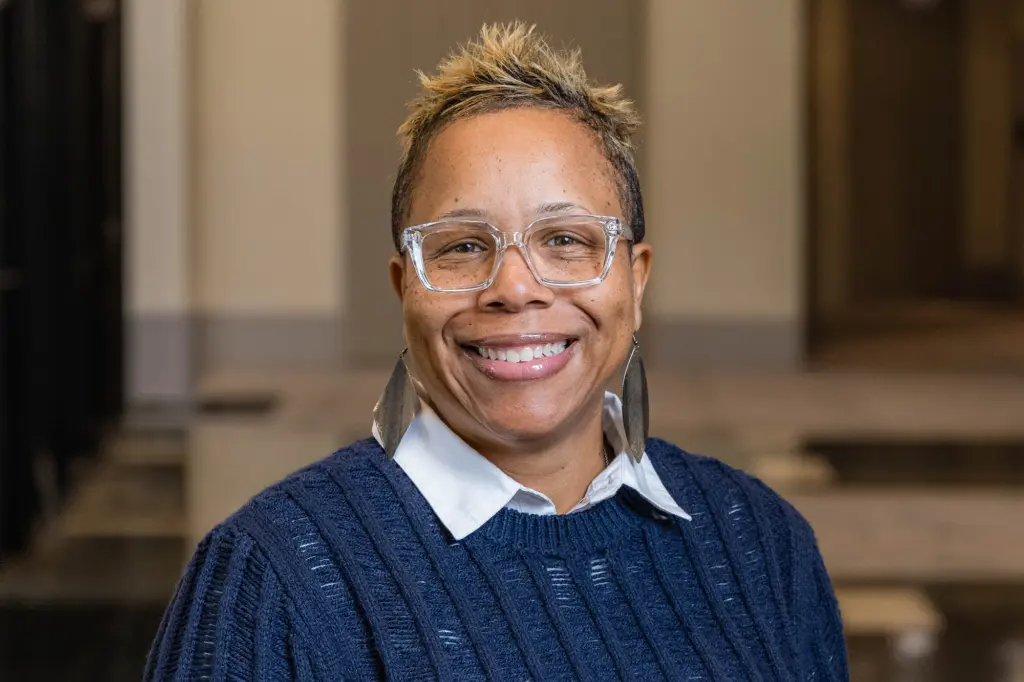
For Adrienne Ross, MEd, CHCP, Accreditation Director at the University of South Carolina School of Medicine—Prisma Health–Midlands, the Menu inspired a new approach to CME, one shaped by patients’ lived experiences.
A Need Worth Tackling
Adrienne’s idea began with her own experience. “My mom had sickle cell disease, and I spent the majority of my adult life as a very active caretaker for her,” she said. Adrienne’s personal connection, combined with her work in healthcare, gave her a close-up view of the challenges many people with sickle cell disease face:
- For patients, sickle cell disease can mean sudden episodes of severe pain when sickled red blood cells block blood flow.
- Yet when they seek treatment, they can be met with suspicion instead of support. Concerns about opioid misuse can lead clinicians to question or deny pain relief. ¹ ²
- Research on the disease is limited, resulting in fewer clear recommendations for treatment. ³
Turning Insight Into Action
Adrienne had long believed that patients could be better understood. When she encountered the Menu of Commendation Criteria, its flexible approach helped her see a new way to design CME with patients at the center. Through the Menu’s Engages Patients/Public option, Adrienne saw that patients and their families could bring their lived experience directly into CME planning and teaching, helping clinicians better understand sickle cell disease through the people most affected by it. “The Commendation Menu gave me the opportunity to be as creative as possible,” she said. “Nothing was off the table.”
Adrienne partnered with the B Strong Group, a patient advocacy organization, to plan and accredit the annual South Carolina Sickle Cell Symposium. The symposium brought together patients, caregivers, and clinicians to learn from one another and reimagine what sickle cell education could look like.
Hearing Patients Differently
For learners, the format mattered. Hearing from patients and caregivers in a calmer, more conversational setting gave clinicians a fuller picture of what families experience when they seek care and try to get the support they need. Patients were eager to contribute, Adrienne said, bringing “twenty or thirty years of experience they were ready to share.” The exchange showed how patient stories can challenge assumptions and help clinicians see the people behind the condition.
Looking Toward Future Change
By starting with a meaningful gap, trying a new approach, and bringing patients into the planning process, Adrienne, her team, and the B Strong Group created education that helped clinicians see care from the perspective of the people they serve.
“If we can allow learners to see and hear the experience of patients, we can help change the way they are cared for,” she said. Adrienne hopes her work can lead to more preventive and coordinated care, where patients are known and supported.
Adrienne’s story reflects the flexibility of the Menu: providers of all types can use it to design education that fits their learners, their communities, and the changes they hope to support.
Interested in bringing patient or community voices into your education? ACCME’s Patient Engagement Resources offer practical guidance and tools to help you get started.
Footnotes
¹ Varun, Sagi, Adi Mittal, Huy Tran, and Kalpna Gupta. “Pain in Sickle Cell Disease: Current and Potential Translational Therapies.” Translational Research 234 (2021):141-158.
² Wesevich Austin, Alexandria Vangelatos, Michael Sun, Elizabeth Tung, and Monica Peek. “Negative Descriptors of Patients With Sickle Cell Disease in the Electronic Health Record.” JAMA Network Open (2026).
³ Brandow, Amanda, Patrick Carroll, Susan Creary, et al. “American Society of Hematology 2020 Guidelines for Sickle Cell Disease: Management of Acute and Chronic Pain.” Blood Advances 4, no. 12 (2020).
